TBF
Energie und Wertstoffe für die nächste Generation

© Federico Farinatti

We plan, build and communicate complex projects

The Challenge of the Energy Transition

Using Renewable Energy Where and When It Is Needed

The energy transition is fundamentally transforming our energy system. The expansion of photovoltaics, hydropower, wind power and geothermal energy is steadily increasing the share of renewables. At the same time, Switzerland aims to meet its climate targets and safeguard long-term security of supply. The central challenge lies not only in producing renewable energy, but above all in storing it and making it available at the right time. In summer in particular, electricity surpluses are becoming more frequent, while a supply gap looms in winter. Bridging these seasonal differences calls for new technologies to convert and store energy.

A Pioneering Project

Power-to-Gas at Industrial Scale

With Limeco's Power-to-Gas plant in Dietikon, Switzerland gained its first facility to use biological methanation at industrial scale. The project combines renewable electricity from the waste-to-energy plant with CO₂ from the wastewater treatment plant (WWTP), producing renewable methane.

The gas produced has the same properties as natural gas, but comes entirely from renewable sources. It can be stored in the existing gas grid and used for heat, mobility or power generation as required, making renewable energy storable on a seasonal basis and flexibly available for the first time.
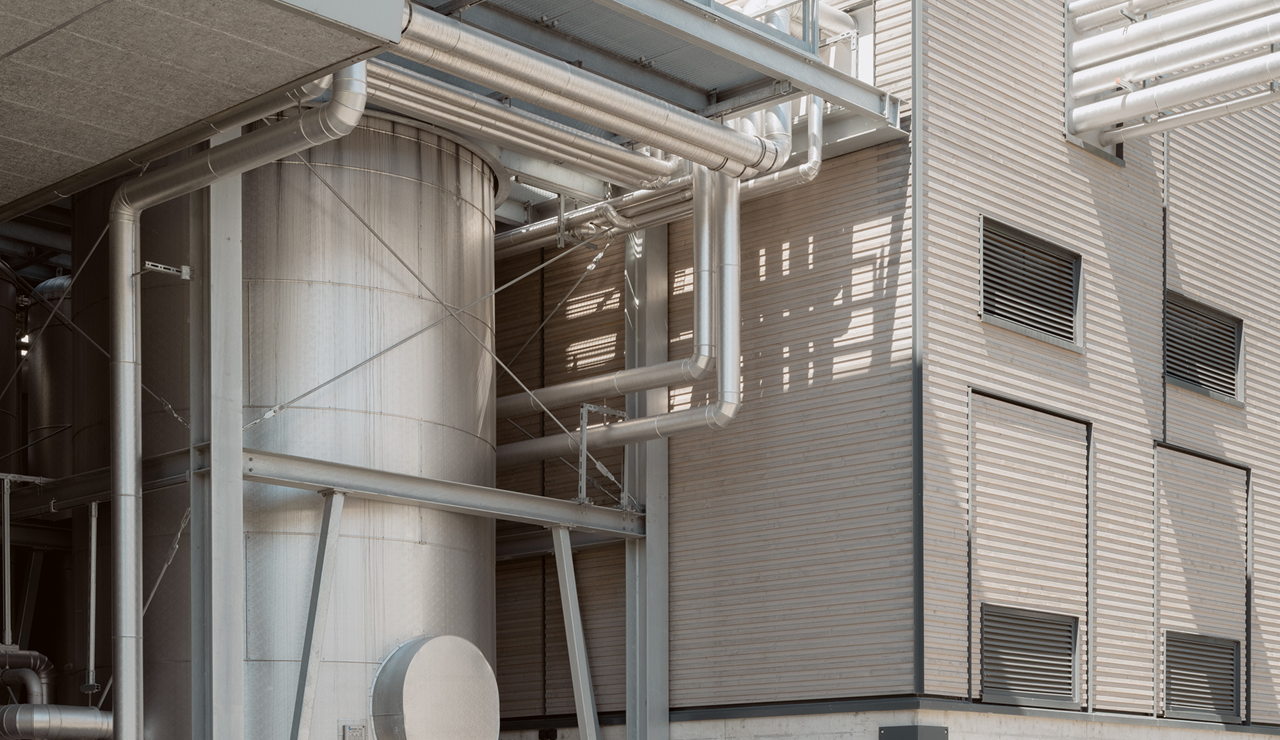
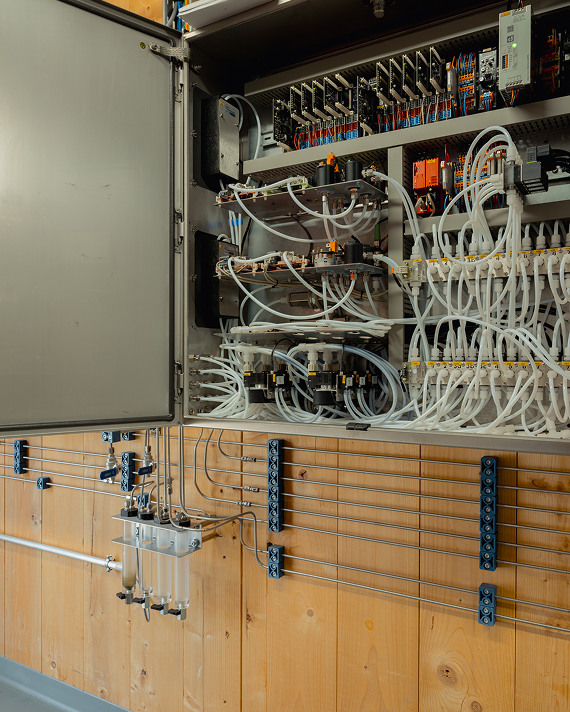
Power to Gas facility

© Federico Farinatti

A Site with Many Synergies

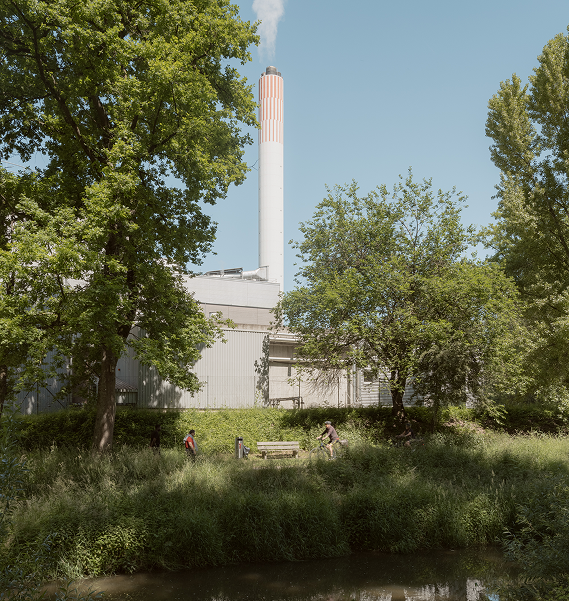
The Dietikon site offers ideal conditions for a Power-to-Gas plant. Three pieces of infrastructure are brought together within a small footprint:

Waste-to-energy plant

Wastewater treatment plant (WWTP)

District heating network

The waste-to-energy plant supplies renewable electricity for the electrolysis process. At the same time, the wastewater treatment plant produces sewage gas with a CO₂ content of around 35 per cent, which is used directly for methanation. In addition, the resulting process heat can be fed into the district heating network.

This intelligent linking of existing infrastructure creates an energy system with high resource efficiency and maximum use of available synergies.

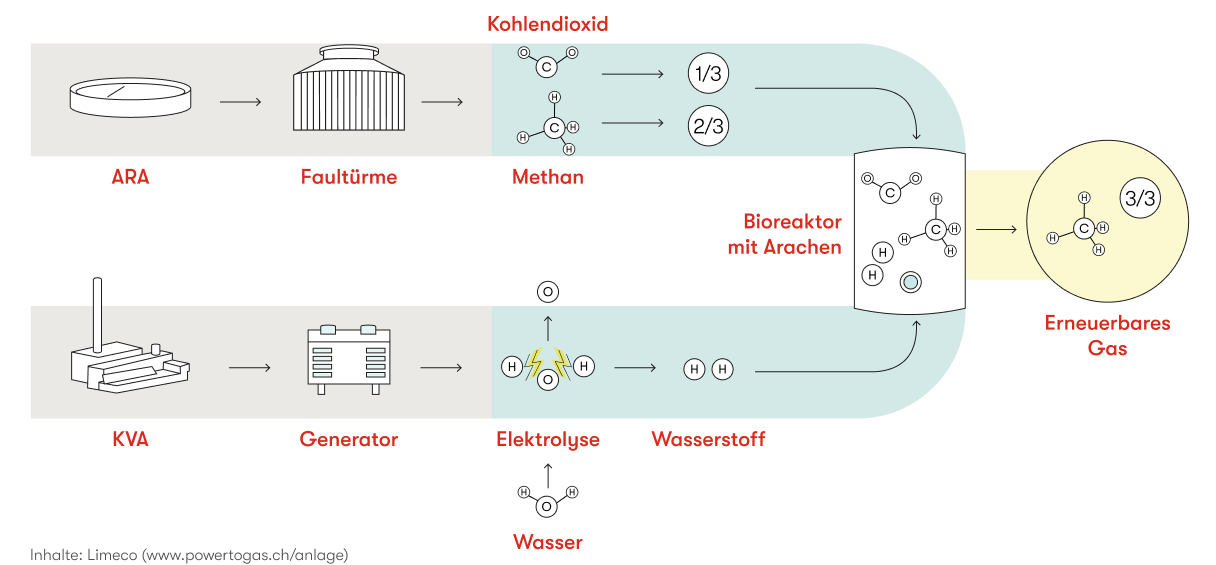
How Renewable Gas Is Produced

Step 1: Electrolysis

  • •Renewable electricity from the waste-to-energy plant is used to split water into hydrogen and oxygen via PEM electrolysis
  • •Installed electrolysis capacity: 2.5 MW
  • •Around 450 Nm³ of hydrogen per hour

Step 2: Biological Methanation

  • •The hydrogen produced is fed, together with CO₂ from the sewage gas, into a biological reactor
  • •Archaea convert the two substances into methane — a particularly innovative form of Power-to-Gas technology

Step 3: Gas Conditioning

  • •The resulting methane is cleaned, dried and conditioned to meet gas grid specifications
  • •Any unreacted hydrogen is returned to the process and reused

Step 4: Injection into the Gas Grid

  • •The renewable methane is injected into the existing gas grid
  • •This allows surplus summer energy to be conserved for winter use
  • •Strengthens a more decentralised, import-independent gas supply
Power-to-Gas Technologie Diagramm
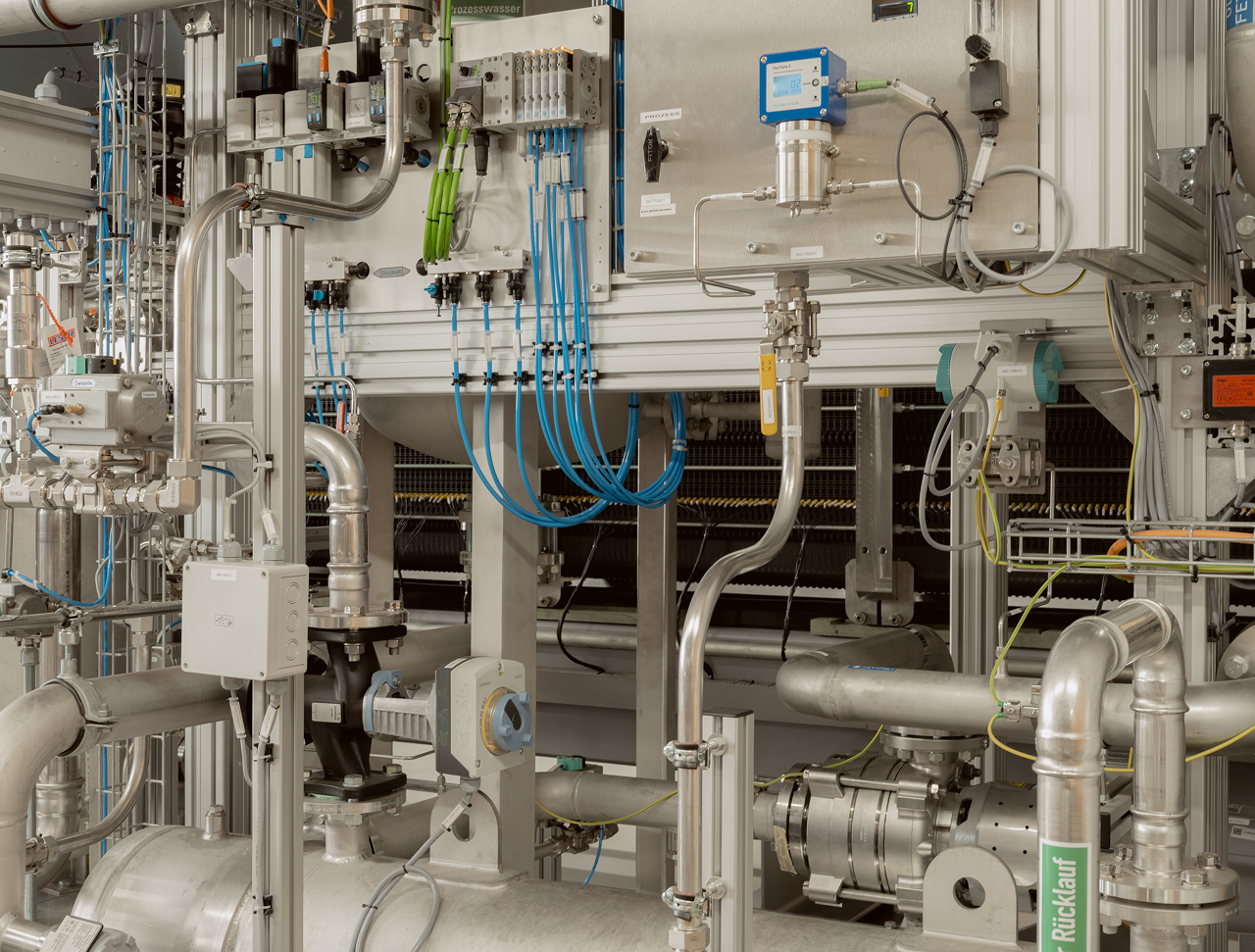
Power to Gas facility

© Federico Farinatti

TBF's Role

TBF + Partner held overall project management for this flagship project, together with specialist planning in structural engineering, building services and process engineering — from project definition through to commissioning (SIA phases 21 and 31–53, comparable to HOAI service phases 1–9).

As general planner, TBF was responsible in particular for:

  • •Overall coordination of all project parties
  • •Integration planning between the waste-to-energy plant, the wastewater treatment plant and the Power-to-Gas plant
  • •Specialist planning in structural engineering, building services and process engineering
  • •Tendering and procurement
  • •Project development and technical concept
  • •Construction planning and BIM coordination
  • •Planning of energy and heat utilisation
  • •Support through to commissioning

First-of-its-Kind Means Uncharted Territory, Not Standard Practice
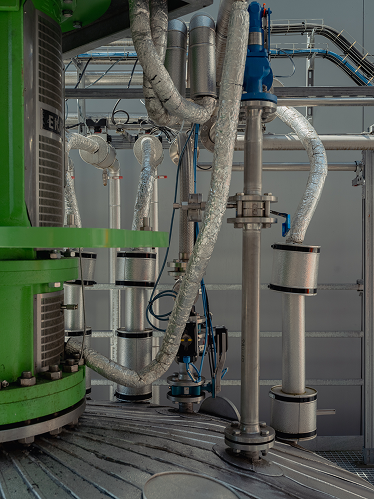
The challenge lay in integrating a facility that was, at the time, almost unique worldwide in its scale into existing infrastructure with limited space, while ensuring sufficient flexibility for future developments.

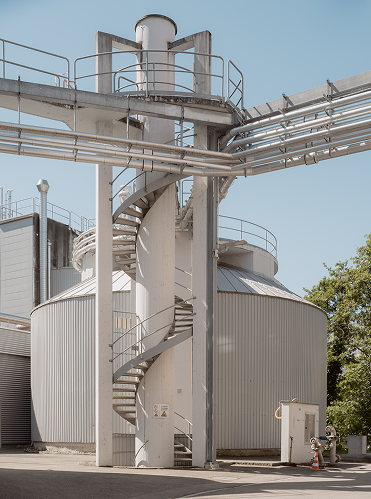
Innovation Bild 1

© Federico Farinatti

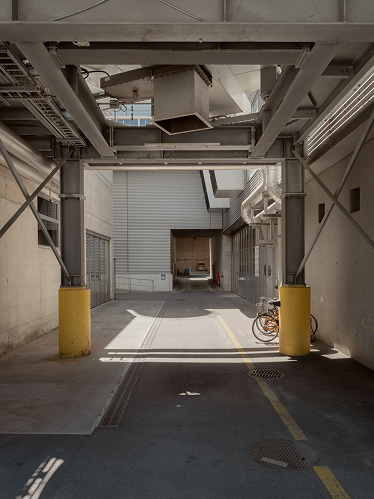
Innovation Bild 2

© Federico Farinatti

Innovation Bild 3

© Federico Farinatti

At the time of planning, no comparable facility of this scale existed. Requirements for the core process continued to evolve throughout the project. This made holistic planning, interdisciplinary collaboration and digital working methods all the more critical to the project's success.

TBF applied BIM methodology consistently, coordinating all trades within a shared digital model. This allowed spatial dependencies to be identified early and future expansion options to be factored in from the outset.

More Than Just Green Gas

In addition to producing renewable methane, the plant generates around 1.1 MW of waste heat, which is used via Limeco's existing district heating system, significantly increasing the plant's overall efficiency.

While the Power-to-Methane process alone achieves an efficiency of around 45 per cent, waste heat recovery raises this to as much as 80 to 84 per cent — meaning that almost all the energy used is put to good use.

At a Glance

IndicatorValue
Electrolysis capacity2.5 MW
Hydrogen production450 Nm³/h
Sewage gas processed1.8 million Nm³/year
Renewable gas producedapprox. 18 GWh/year
Usable waste heatapprox. 0.8 to 1.1 MW
CO₂ savings4,000 to 5,000 t/year
Planned minimum operating life15 years

Breaking New
Ground Together

The plant was realised through a cooperation model unique in Switzerland. Eight Swiss energy suppliers are financing the project by purchasing certificates of origin for the renewable gas produced. The Swiss Federal Office of Energy (SFOE) additionally supports the plant as a demonstration project. This model made it possible to test technical innovations under real market conditions, while gathering experience for future projects.
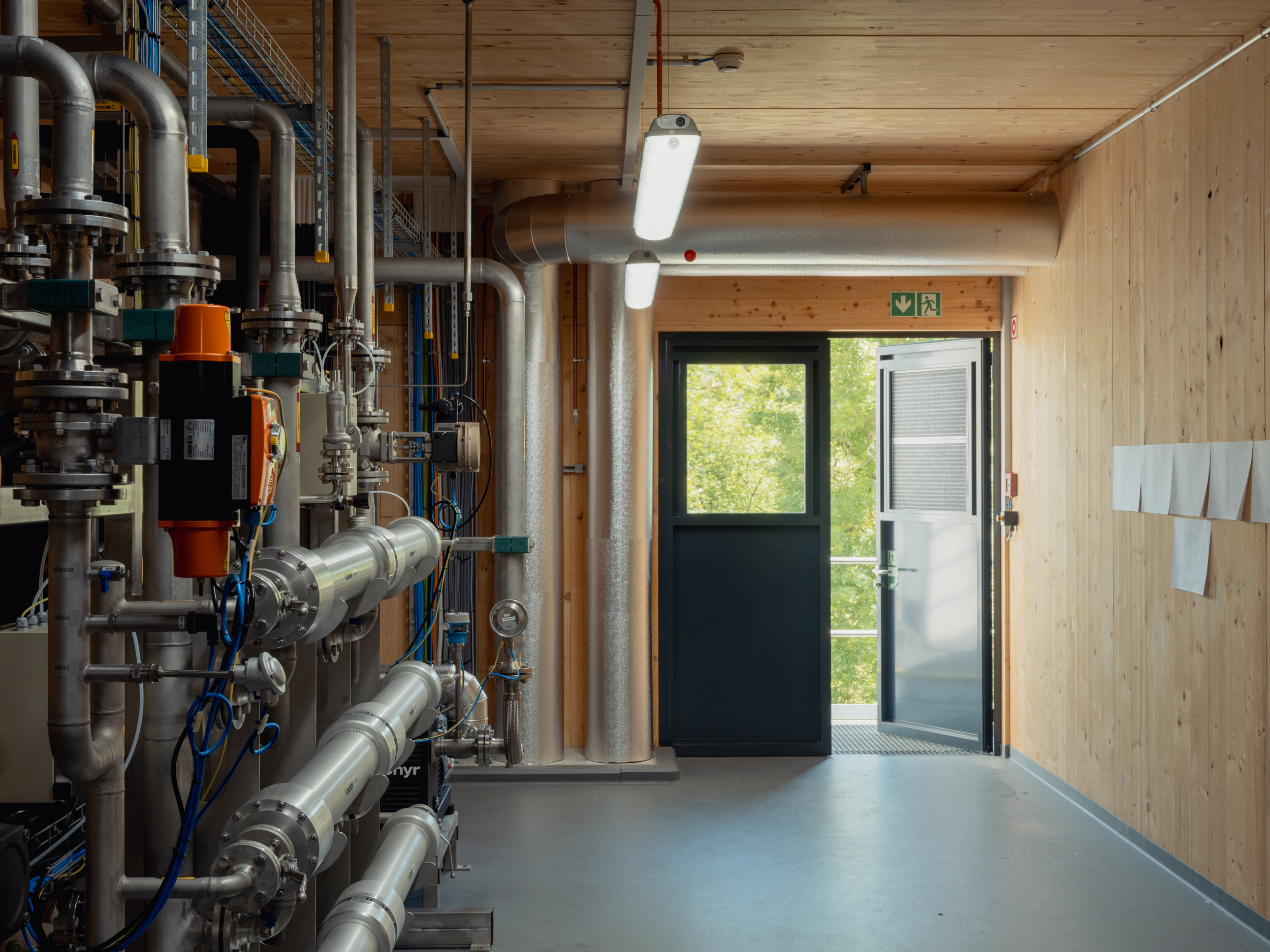
Holzbau der Power-to-Gas-Anlage

© Federico Farinatti

Technische Anlage

© Federico Farinatti

Architecture as Part of the Concept

The building itself also reflects the project's sustainability goals. The plant was designed and built as a three-storey solid timber structure.

Short build time

Timber construction enabled a short build time compared with conventional construction methods.

High flexibility

Timber construction provides high flexibility for future adaptations of the plant.

Reduced carbon footprint

As a renewable building material, timber contributes to a significantly reduced carbon footprint.

Symbolic power and expression

The timber building is symbolic of the project's ambition: to think through sustainable solutions holistically and implement them consistently. At the same time, the solid timber construction shapes the plant's appearance, setting a deliberate design counterpoint to conventional industrial buildings.

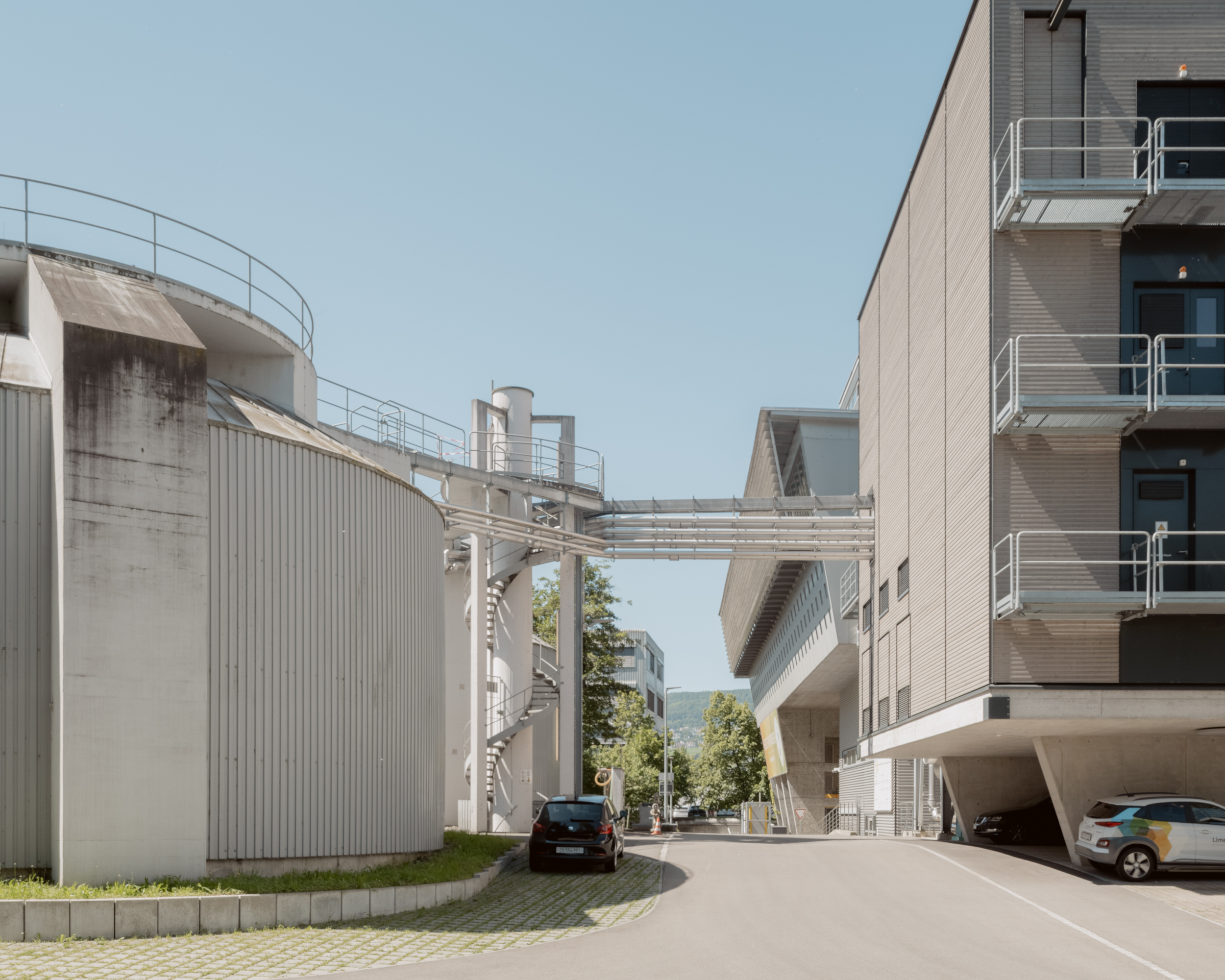
Timber building of the Limeco Power-to-Gas facility

© Federico Farinatti

A Project with Signal Effect

Limeco's Power-to-Gas plant demonstrates how renewable energy, existing infrastructure and innovative process engineering can come together in an integrated energy system. The project provides valuable insights for the further development of Power-to-Gas plants and the decarbonisation of the energy system.

In 2022, the project was nominated for the Building AWARD. The following year, the plant was awarded the Watt d'Or in the "Energy Technologies" category, confirming its pioneering character.

TBF + Partner supported this vision from project development through to realisation, creating the planning foundations for one of Switzerland's most innovative energy projects.

Your contact partners
Contact us – for an unbiased expert assessment of which topics might be relevant to you.

Dominique Dietschweiler

Dominique Dietschweiler

did@tbf.ch
Andreas Mettler

Andreas Mettler

mea@tbf.ch
Thomas Stegmann

Thomas Stegmann

ste@tbf.ch
David Brönnimann

David Brönnimann

brd@tbf.ch

Locations Switzerland

TBF + Partner AG
Schwanengasse 12
3011 Bern
TBF + Partner AG
Quai du Seujet 10
1201 Geneva
TBF + Partner AG
Via Besso 42
6900 Lugano
TBF + Partner AG
Beckenhofstrasse 35
8006 Zurich

Locations Germany

TBF + Partner AG
Alsterarkaden 9
20354 Hamburg
TBF + Partner AG
Mauerkircherstrasse 9
81679 Munich
TBF + Partner AG
Schlossstrasse 70
70176 Stuttgart

Location in Italy

TBF + Partner S.r.l.
Via Napo Torriani 29
20124 Milan